
Preparation
Review the assigned work, access conditions, sequencing, and project expectations before activity begins.
Commercial execution depends on preparation, communication, organized work areas, and attention to quality throughout the project.
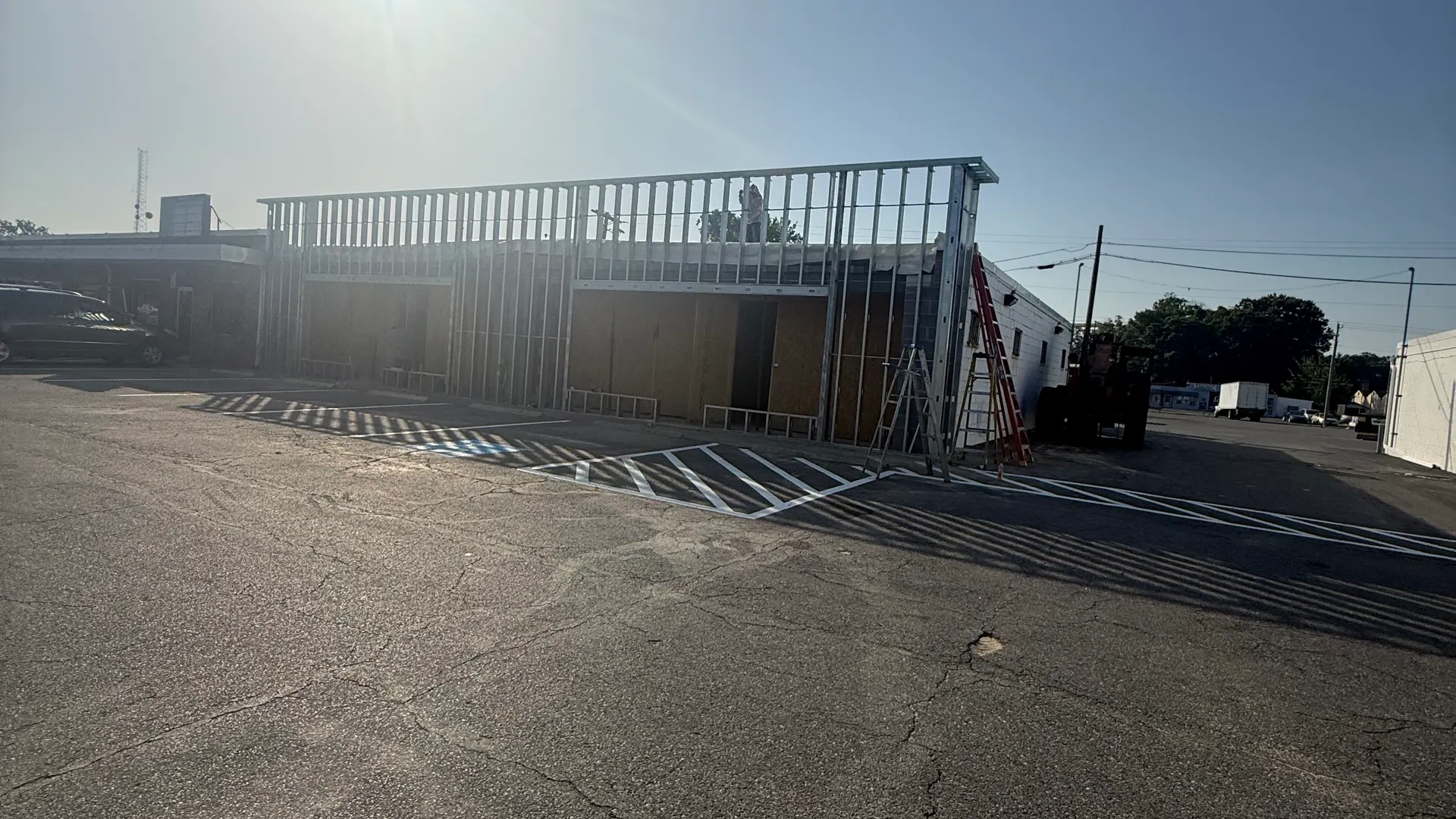
Discuss Your ProjectOrganized commercial framing work area in progress
The current verified project materials do not include certifications, safety statistics, formal program details, or performance metrics. This page therefore focuses only on the practical working principles already approved for the website.
Safety expectations depend on the project, assigned tasks, site rules, and communicated requirements. The practical foundation is to understand the work and keep conditions visible to the project team.
Review the assigned work, access conditions, sequencing, and project expectations before activity begins.
Keep questions, changing conditions, and work-area considerations visible to the appropriate project team.
Support orderly material placement, clear circulation, and an organized approach to the active work area.
Follow the applicable project rules, site expectations, and task-specific requirements communicated for the work.
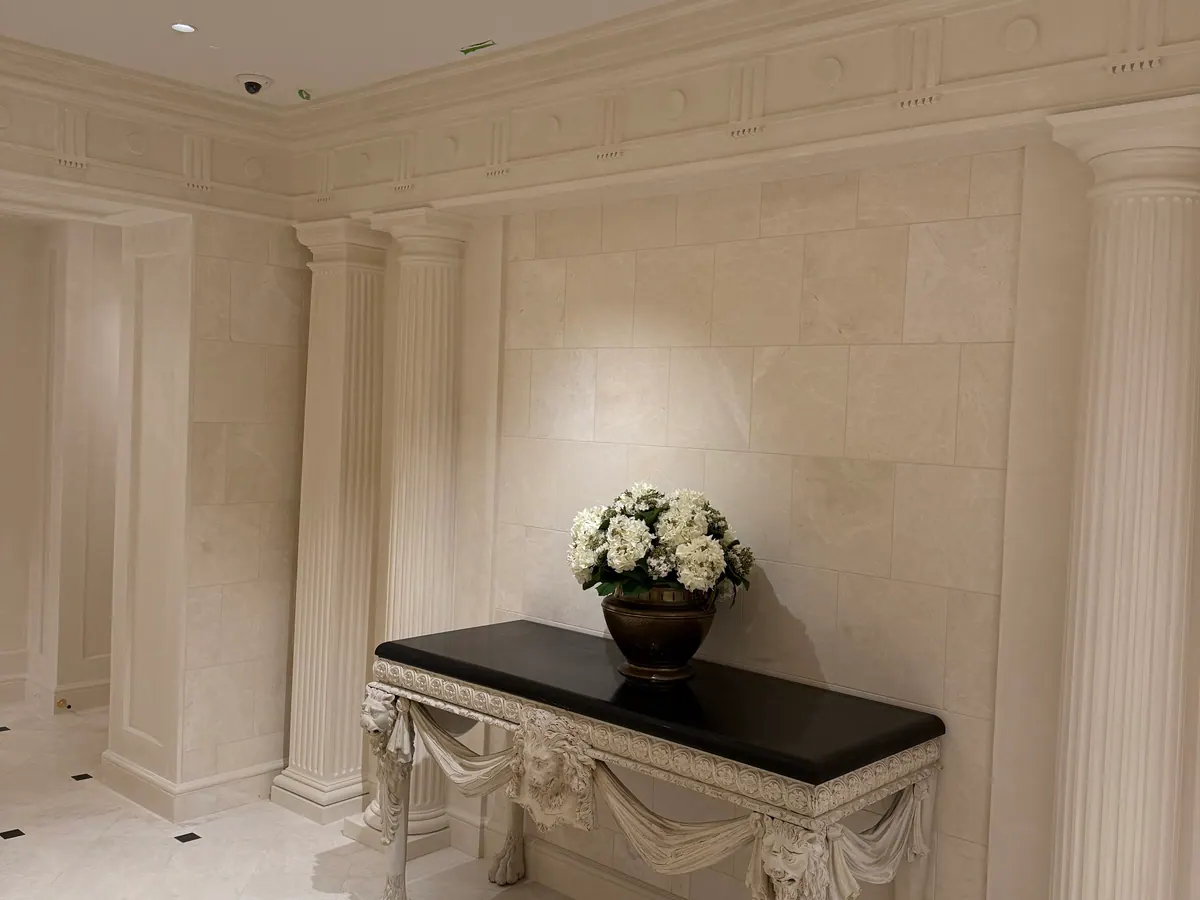
Quality is not a final inspection added at the end. It develops through review, preparation, layout, installation, protection, and completion.
Consider drawings, specifications, dimensions, details, and known field conditions related to the assigned scope.
Track the lines, openings, transitions, and interfaces that influence the final assembly.
Recognize that preparation affects drywall finishes, coatings, trim, ceiling systems, and final appearance.
Maintain awareness of completed work, punch items, adjustments, and closeout expectations.
Commercial sites are shared environments. Material placement, circulation, protection, access, and active work zones all affect the way assigned scopes can progress.
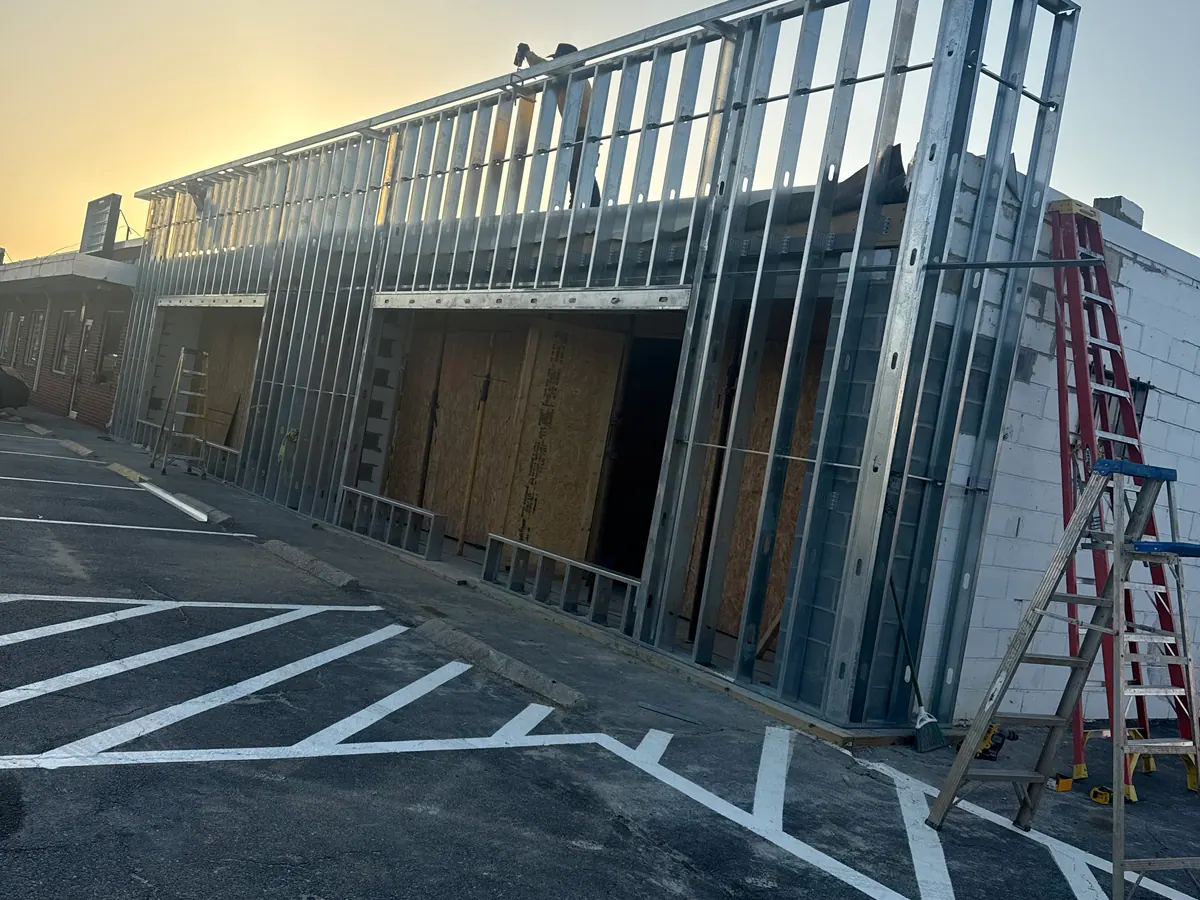
The points below describe practical areas of attention, not a claim of a formal certified quality-control program.
Layout, plumb alignment, openings, and interface preparation
Board condition, joints, transitions, and surface consistency
Grid alignment, perimeter details, and coordinated penetrations
Frame alignment, opening preparation, and operation awareness
Joints, reveals, trim alignment, and finish detail
Controlled removal, protection, and renovation readiness
Surface preparation, coverage, edges, and finish consistency
Share the project requirements, assigned scopes, schedule, and available documents for review.